A Study on Medication Return by Patients as an Estimation of Medication Wastage in Bintulu Hospital
Keywords:
Medication return, medication wastageAbstract
Introduction:
Medicines are essential in a healthcare setting to improve patient’s wellbeing. However, medication wastage poses a financial burden on the nation’s economy. Medication return program was implemented by the Ministry of Health Malaysia (MOH) for the patient to return their unused or excessive medicines at home. This study was conducted in a public hospital in Sarawak and aimed to measure the extent of medication wastage and to explore the possible factors leading to medication wastage.
Methods:
A prospective, observational study conducted via standardised surveillance form over a two months at the targeted collection points (Discharge Counter, Outpatient Pharmacy Department, Male Medical Ward, Female Medical Ward of Bintulu Hospital).
Results and discussions:
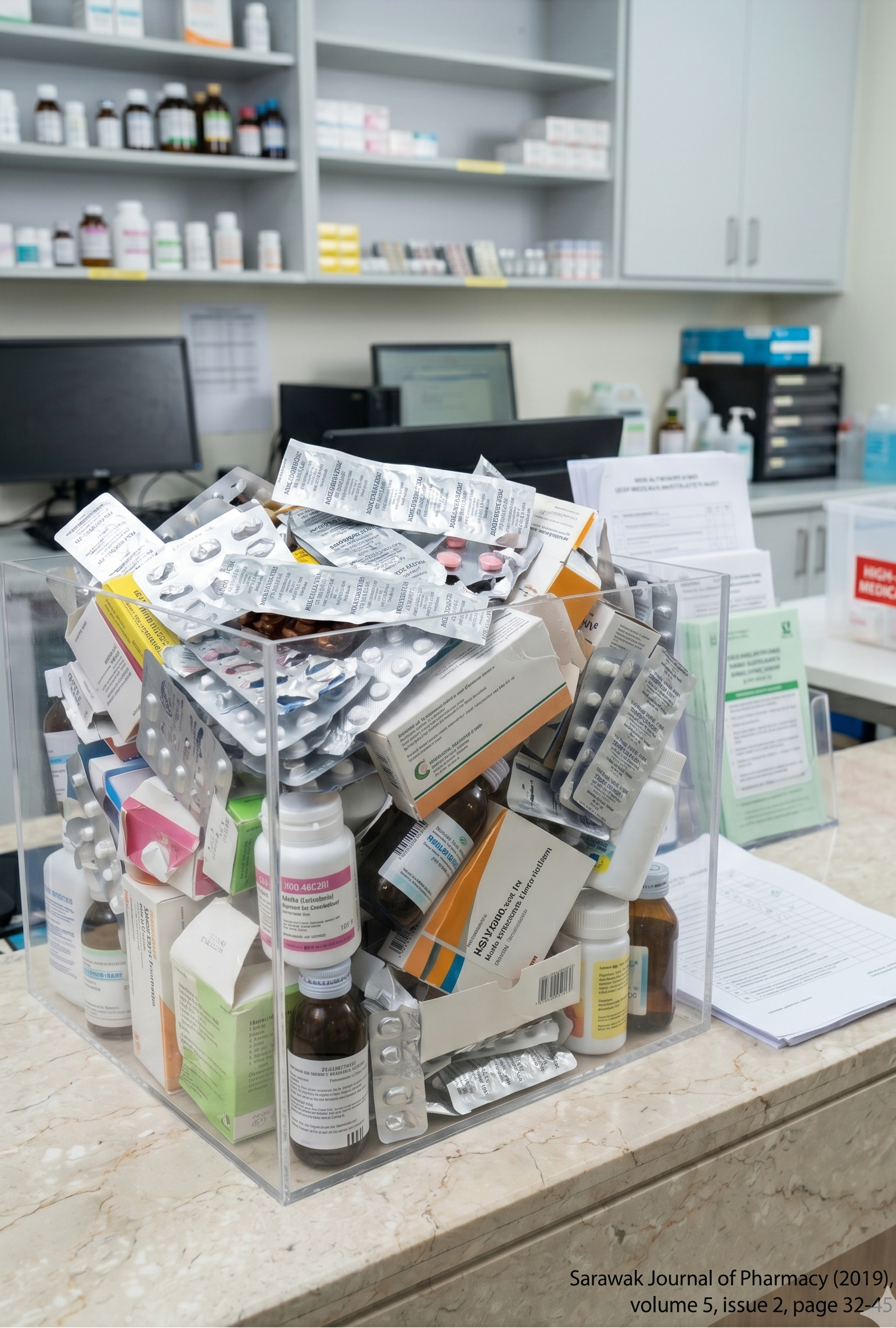
Excessive quantity of medications supplied (21.40%) and regimen changed (21.40%) were the main factors for medication return. Majority disposed of their unused medicines by returning to the pharmacy (45.54%), followed by discarding to the rubbish bin (40.63%). Majority of the respondents (76.14%) stored the medications at room temperature, including tablets, inhalers, cream or ointment. RM 12,912.36 worth of medications were collected. Cardiovascular medications (RM3839.47) were the highest cost of medications returned. Majority of the respondents (97%) agreed that returning medication to pharmacy helped to reduce wastage.
Conclusions:
Results showed that medication wastage exists in Bintulu hospital. Health policy-makers should be informed and implement wastage reduction strategies.

 Sarawak Journal of Pharmacy