A Cross-Sectional Study on Knowledge of Ambulatory Patients with Chronic Diseases on Their Medications
Keywords:
chronic diseases, generic name, knowledge on medications, out-patient pharmacy department, pharmacy communicationAbstract
Introduction:
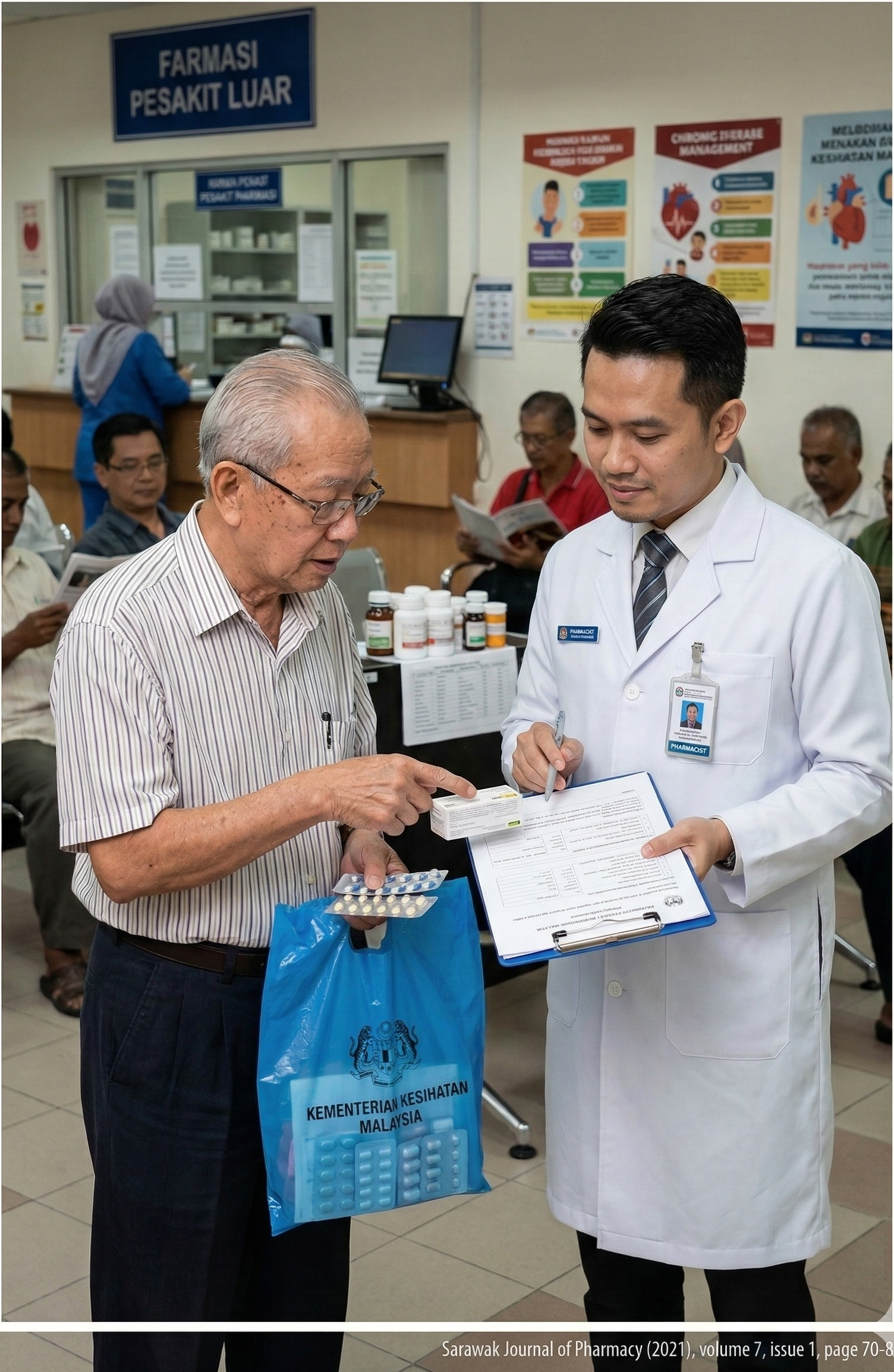
This study aimed to assess whether patients having their medications for chronic diseases dispensed at the ambulatory/out-patient pharmacy department (OPD) of a tertiary hospital can recall the medication names and intake instructions and determine the variables affecting their knowledge level.
Methods:
This cross-sectional survey was carried out at the OPD of a tertiary hospital. Convenience sampling was used to recruit patients on ≥2 chronic medications. Respondents filled a self-administered questionnaire on their demographic background and quality of interaction with pharmacists before investigators asked them to recall their current medications for chronic diseases.
Results:
A total of 200 patients were surveyed. The majority were female (60.5%), Chinese (43.0%), completed tertiary education (48.0%), and on a median of 3 medications. Most patients (78.4%) could recall the indications and intake instructions of all their medications, but only 28.1% knew the generic names; higher educated patients have better knowledge of both (P < 0.01). Patients with problems recalling their medications should be identified during dispensing, and more attention is given to them to ensure a good understanding of their medications. Quality of interaction with pharmacists was mostly rated as good (84.4%), with pharmacists deemed having sufficient knowledge (86.9%), polite (85.4%), and providing clear instructions (81.9%). Patients perceiving good quality of interaction with pharmacists recalled intake instructions of their medications better (P = 0.03). Pharmacists should be provided with communication skills training periodically to maintain the quality of interaction.
Conclusion:
Patients’ education level and quality of interaction with pharmacists affect their ability to recall essential information about their medications. More efforts are needed to educate patients on the generic names of their medications.
 Sarawak Journal of Pharmacy